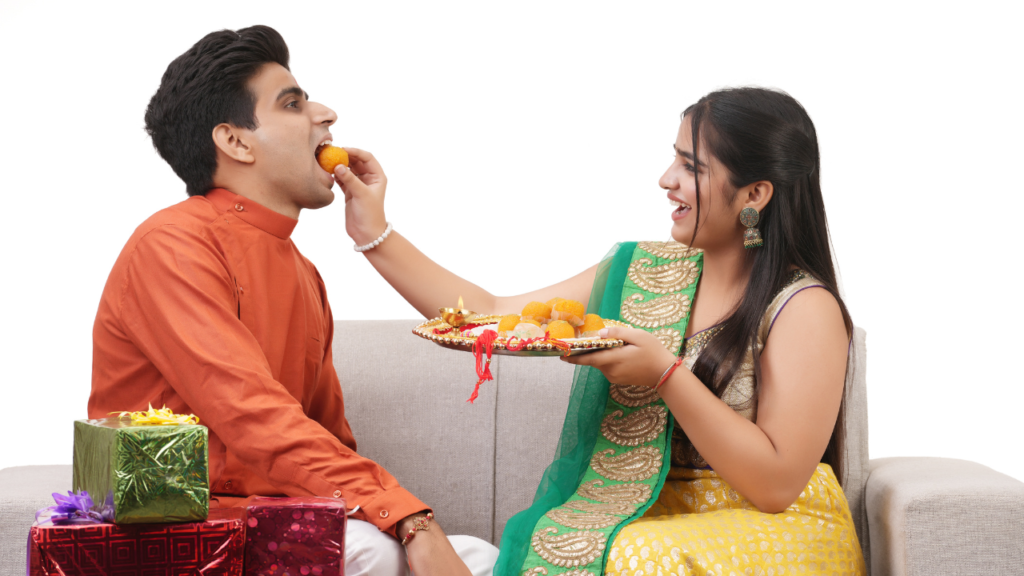
Have you ever looked closely at a simple, delicate silken thread resting softly on your wrist, feeling an unexplainable wave of absolute warmth and protection wash over your entire being? In that single, breathtaking moment, as the sweet aroma of freshly prepared ghevar fills the air and a sister gently applies a vermilion tilak to her brother’s forehead, the chaotic noise of the modern world simply fades into nothingness. You feel an ancient, invisible emotional anchor tying you back to your roots, your childhood memories, and a timeless cosmic promise. This is the divine magic of Raksha Bandhan- a celebration that proves a simple thread of love possesses more power than the strongest armor on Earth.
As we approach the festive season, managing our family travels, sweet preparations, and traditional ceremonies becomes our highest priority. To ensure your sacred rituals align perfectly with the cosmos, knowing the precise planetary configurations and scriptural rules for Raksha Bandhan 2026 is essential. The unique celestial alignments this year bring a strong energetic shift that requires careful attention to traditional timings, helping you avoid negative windows and attract absolute prosperity to your household.
In this ultimate, premium guide brought to you by TemplePedia, we will walk you through every micro-detail of Raksha Bandhan 2026. From the precise Shubh Puja Muhurat calculated by senior Vedic astrologers to the deep Puranic history, the biological science of the ritual, and the strict guidelines surrounding Bhadra Kaal, consider this your ultimate spiritual manual. Let us step together into this beautiful celebration of eternal bonds.
Table of Contents
The Astronomical Blueprint: Date & Tithi for Raksha Bandhan 2026
The pristine festival of Raksha Bandhan is traditionally celebrated on the Purnima (full moon day) of the holy month of Shravan. Because the Vedic calendar tracks the precise mathematical movements of the moon rather than the rigid solar framework of the Gregorian calendar, the date changes every year.
For Raksha Bandhan 2026, the celestial full moon will illuminate our skies in late August. According to the central New Delhi panchang coordinates, the core festival will take place on Friday, August 28, 2026.
To map out your family gatherings, gifts, and travel schedules accurately, keep these foundational lunar tithi transition timings saved:
- Shravana Purnima Tithi Commences: 06:42 PM on Thursday, August 27, 2026
- Shravana Purnima Tithi Concludes: 08:14 PM on Friday, August 28, 2026
Because Hindu rituals heavily prioritize Udaya Tithi– the specific lunar phase prevailing at the exact moment of sunrise Friday, August 28, is designated as the universal day for celebrating Raksha Bandhan 2026 across the globe.
You May Also Like:- Diwali 2026: Date, Puja Muhurat, History & Complete Guide
Makar Sankranti 2026: Date, Significance & Best Temples
The Critical Role of Bhadra Kaal: Exact Shubh Muhurat Timings
In Vedic astrology, timing is everything. Tying the sacred thread during a corrupted planetary window can bring instability and structural obstacles. The most critical negative window to watch for during Raksha Bandhan is Bhadra Kaal. According to ancient texts, Bhadra is the daughter of Planet Surya and the sister of Yamaraja. Her fierce, chaotic energy is strictly avoided for auspicious activities like weddings, housewarmings, and tying Rakhi.
Scriptures note that the demon king Ravana was tied a protective thread by his sister during Bhadra Kaal, which ultimately led to the absolute destruction of his golden kingdom. Therefore, for Raksha Bandhan 2026, we must wait for Bhadra to pass before beginning our celebrations.
Here is the highly accurate, verified chronological breakdown of the auspicious and prohibited windows for Friday, August 28, 2026:
| Celestial Window Type | Start Time | End Time | Spiritual Target Focus |
| Bhadra Kaal Shadow (Prohibited) | Sunrise | 11:24 AM | Strictly Forbidden. Avoid tying any Rakhi threads during this chaotic window. |
| Bhadra Punchha (Tail End) | 09:12 AM | 10:18 AM | Minor relief window, but still avoided for main domestic rituals. |
| Bhadra Mukha (Face Core) | 10:18 AM | 11:24 AM | Peak negative configuration. Keep your puja thali covered. |
| Aparahna Shubh Muhurat (Golden) | 01:42 PM | 04:18 PM | The Best Time. Highly recommended for householders and families. |
| Pradosh Kaal Muhurat (Evening) | 06:36 PM | 08:14 PM | The final beautiful window to complete prayers before Purnima ends. |
Ensure your primary lamps are fully lit and your family is gathered before the Aparahna Muhurat begins at 01:42 PM to make the most of this auspicious stellar alignment.
The Spiritual and Historic Tapestry of the Sacred Thread
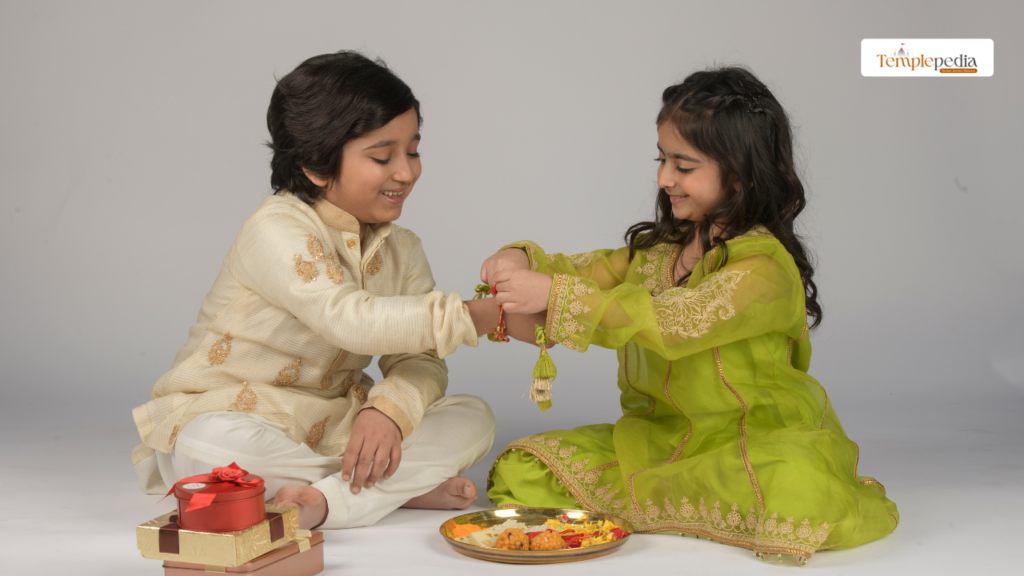
To fully tap into the high-vibrational current of Raksha Bandhan 2026, we must look beyond modern marketing and corporate gift boxes. We must look to the multi-layered historical foundations that make this festival a spiritual anchor for millions of hearts worldwide.
The most profound Puranic legacy originates from the Bhavishya Purana, which details the legendary battle between the gods and the demons. When the demon king Bali defeated the celestial forces, Indra’s consort, Sachi, approached Lord Vishnu for help. He gave her a sacred, energized thread woven from golden cotton. Sachi tied this protective thread around Indra’s wrist. Fortified by this spiritual shield, Indra returned to the battlefield and successfully reclaimed his heavenly kingdom. In this ancient context, the thread was not restricted to siblings—it was a shield of protection (Raksha Sutra) tied by a well-wisher to protect a warrior facing adversity.
Lord Vishnu’s Blessing ➔ Sachi Ties Golden Thread ➔ Indra Reclaims Heaven
↓
Goddess Lakshmi Ties Thread ➔ King Bali Surrenders ➔ Protects Cosmic Dharma
↓
Draupadi Tears Her Silk Saree ➔ Ties Krishna’s Wound ➔ Invokes Ultimate Protection
Another beautiful historical story features Goddess Lakshmi and King Bali. When Lord Vishnu bound himself to live permanently in Bali’s underworld kingdom as a guard, Goddess Lakshmi descended to Earth in disguise. On Shravan Purnima, she tied a simple cotton thread around King Bali’s wrist, declaring him her brother. Moved by her pure love, Bali asked what gift she desired. Lakshmi revealed her true identity and asked for the release of her husband, Lord Vishnu. Bali happily surrendered his absolute claim, honoring the sacred duty of the thread.
Finally, in the epic Mahabharata, when Lord Krishna’s finger began bleeding after he severed the tyrant Shishupala’s head with his Sudarshana Chakra, Queen Draupadi did not hesitate for a second. She instantly tore a strip of rich silk from her royal saree and tied it around his wound to stop the flow of blood. Touched by her spontaneous empathy, Krishna promised to protect her dignity across all lifetimes- a divine vow he fulfilled perfectly during the assembly in Hastinapur.
Therefore, when you tie a thread during Raksha Bandhan 2026, you are stepping into a profound tradition of ultimate cosmic duty.
The Hidden Science: Bio-Psychology & Environmental Aspects
Many analytical, modern thinkers wonder if the strict structural customs of Raksha Bandhan 2026 are merely sentimental. However, if you look closely through the lenses of acupressure, environmental science, and behavioral psychology, our ancient rishis hid a profound architecture of wellness inside these festive actions.
First, consider the physical anatomy of the human wrist. The spot where a traditional Rakhi is firmly tied houses a high concentration of key acupressure points linked to the Manipura (Solar Plexus) chakra. Rhythmic touch and steady, gentle pressure on the wrist stimulate the nervous system, helping regulate blood circulation, settle an anxious mind, and strengthen immune health.
Second, look at the environmental timing. The festival takes place during the late monsoon season—a time when changing humidity levels can make the body feel sluggish and lower overall immunity. The traditional ingredients used in the ritual offer natural protection:
- Pure Vermilion (Roli): Applied directly to the Ajna (Third-Eye) chakra, it acts as a cooling agent, sharpening mental focus and soothing the frontal cortex.
- Sandalwood Paste (Chandan): Purifies the skin, drives away minor headaches, and induces deep mental calm.
- Akshat (Unbroken Rice Grains): Symbolizes continuous energy, helping hold the positive charge generated during the initial mantra invocation.
गुरु पूर्णिमा 2026: तिथि, शुभ मुहूर्त, पूजा विधि और महत्व
Step-by-Step Rakhi Puja Method for Domestic Abundance
You do not need an elaborate temple setup to invite the protective grace of the Divine into your home. The universe looks deeply into the purity of your intent, the sincerity of your love, and the devotion inside your heart.
Follow this highly accessible, step-by-step traditional method to execute your family prayers during Raksha Bandhan 2026 seamlessly:
- Purification of Space: Wake up early during the morning hours, clean your house thoroughly, take a traditional bath, and wear fresh, clean ethnic garments to welcome positive energy.
- The Altar Direction: Set up your primary prayer plate (Puja Thali) facing either the East or the North corner of your living room. Facing North connects your energy field directly with the wealth frequencies of Lord Kubera.
- Arranging the Sacred Plate: Place a clean brass or silver thali containing pure vermilion paste, sandalwood, a small bowl of unbroken akshat rice grains, your Rakhi threads, fresh marigolds, and some traditional milk sweets.
- The Lighting Ritual: Ignite a traditional clay or brass diya filled with pure cow ghee in the center of your thali. Let this flame burn continuously throughout the ceremony.
- Seating the Brother: Have the brother sit on a comfortable wooden stool (Asana) facing the East. He should cover his head with a clean handkerchief or scarf to help retain the positive prana generated during the ceremony.
- Applying the Divine Tilak: The sister applies a vertical dot of vermilion and sandalwood paste to his forehead, gently pressing a few grains of rice onto it to activate the Ajna chakra.
- The Tying Ritual: While tying the Rakhi firmly around his right wrist, the sister recites the ancient, protective mantra from the Puranas: {Yena Baddo Bali Raja Danavendro Mahabalah, Tena Tvam Abhibadhnami Rakshe Ma Chala Ma Chala. (Meaning: I am tying the same protective thread around your wrist that bound the powerful King Bali. O shield, remain steadfast and protect this soul always.)
- Aarti and Sweet Offering: Rhythmically wave the ghee lamp in front of the brother three times in a clockwise direction. Feed him a small piece of sweet pudding or mithai, and exchange tokens of mutual protection and love.
Common Pitfalls to Avoid During the Ceremony
Even well-meaning families can accidentally block the positive energetic flow of this festival by falling into careless habits. To ensure your spiritual practices yield maximum results during Raksha Bandhan 2026, check your arrangements to avoid these classic errors:
Tying the Rakhi on the Left Wrist
In Vedic customs, the right side of the human body represents the solar current (Pingala Nadi), which governs willpower, external action, and protective energy. Tying the Rakhi on the left wrist reduces its activation potential. Always ensure the thread is tied on the right wrist to anchor the protective field effectively.
Using Flimsy Plastic or Toy Rakhis with Dark Imagery
Take a close look at the Rakhi designs you choose. Rakhis featuring aggressive graphics, sharp metallic plastic points, or dark, unnatural colors can project fragmented energy fields. Prioritize authentic, organic threads made from cotton, silk, sandalwood beads, or pure silver to maintain a positive spiritual vibration.
Throwing Old or Damaged Rakhis into the General Trash
A few days after the festival, when the thread naturally loosens, do not simply discard it in a trash bin. Treat it as a sacred item that has absorbed your family’s protective intentions. Respectfully submerge the old threads under the soil of a clean garden tree or compost them naturally to honor their purpose.
Do’s and Don’ts for a High-Vibrational Rakhi Festival
To maximize your spiritual alignment during Raksha Bandhan 2026, maintain clear boundaries within your household. Here is a handy checklist reference:
The Do’s:
- Do ensure that the brother offers a thoughtful gift that supports his sister’s long-term independence, health, or education, honoring the spirit of absolute security.
- Do light at least one natural incense stick near your main doorway to clear out lingering domestic negativity before the guests arrive.
- Do touch the feet of your parents and elders together after the ceremony to anchor the blessings of your lineage.
- Do ensure that the rice grains used for the tilak are completely whole and unbroken, as broken rice grains represent fragmented energy.
The Don’ts:
- Never tie a Rakhi during the forbidden Bhadra Kaal window (before 11:24 AM on August 28); prioritize patience to invite absolute auspiciousness.
- Never engage in arguments, family property disputes, or harsh language during the holy evening hours of the festival.
- Avoid gifting sharp objects, black garments, or footwear, as these items can introduce conflicting energy frequencies into a relationship.
Diwali 2026: Date, Puja Muhurat, History & Complete Guide
Myth vs. Reality: Debunking Modern Commercial Misconceptions
Because the modern marketplace is heavily commercialized, let us clear up a few major myths so you can approach Raksha Bandhan 2026 with absolute mental clarity:
Myth: You must purchase exceptionally expensive platinum or heavy gold-plated designer Rakhis, or else the ritual will lack spiritual power.
Reality: This is a pure corporate marketing strategy. The ancient texts emphasize that the thread’s value lies in its energetic purity and intention. A simple, basic cotton thread (Mauli) worth a few rupees carries the exact same spiritual power as an expensive gold piece. The Divine looks at the wealth of your love, not the balance of your shopping bill.
Myth: Raksha Bandhan is exclusively meant for biological blood brothers and sisters.
Reality: Nowhere in the ancient texts is this beautiful boundary restricted solely to immediate bloodlines. The festival celebrates the universal duty of protection (Raksha). A thread can be tied to a cousin, a spiritual mentor, a protective friend, or even to trees and domestic pets as a gesture of deep harmony and gratitude toward Mother Nature.
Conclusion
In the final analysis, Raksha Bandhan 2026 is not merely a social obligation to exchange gifts and take beautiful photographs for digital validation. It is a profound cosmic reset button designed to shake your busy conscious mind out of modern isolation. It is an annual reminder that we are profoundly connected by invisible webs of responsibility, empathy, and love.
As you tie the sacred thread on the afternoon of August 28, let the lingering stresses of the past year slip away. Close your eyes, listen to the rhythmic chants of your family members, and feel the protective embrace of the universe. Work hard with total integrity, stand up for the vulnerable, and let your unique inner light illuminate the path ahead.
From the entire family here at TemplePedia, we wish you a spiritually powerful, safe, and abundantly successful Raksha Bandhan 2026. May your household remain full of light, love, and laughter. Om Shanti, Shanti, Shanti.
Question and answer – (Q&A)
Q1. What is the exact main day date for Raksha Bandhan 2026?
The core festival of Raksha Bandhan 2026 will be celebrated nationwide on Friday, August 28, 2026, as this date perfectly satisfies the Udaya Tithi rule for Shravan Purnima.
Q2. Can we tie Rakhi during the morning hours of August 28, 2026?
No, it is highly recommended to avoid the early morning hours because Bhadra Kaal will be active from sunrise until 11:24 AM. Please schedule your main family rituals after 01:42 PM for the most auspicious results.
Q3. What should we do if the brother is living far away in another country?
Distance cannot bound cosmic energy. The sister can place the Rakhi at the feet of the deity at her home temple, apply a virtual tilak, and chant the protective mantra while visualizing his well-being. She can then mail the thread or keep it safely in her temple space.
Q4. Can a sister tie a Rakhi to another sister if they do not have a brother?
Yes, absolutely. The core philosophy of Raksha Bandhan revolves around mutual love, respect, and a promise of lifelong emotional support. Tying a Rakhi between sisters is a beautiful way to honor this tradition.
Q5. Can a non-vegetarian person participate in the main Rakhi rituals?
Yes, anyone can safely participate. Sincere family affection is a great cleanser of internal desires. However, to respect the high-vibrational energy of the tithi, it is highly recommended to consume pure, vegetarian (Satvik) meals on the main day of the festival.
Q6. Is it mandatory to cover your head while tying or receiving the Rakhi?
While not a rigid legal rule, covering your head with a clean scarf or handkerchief helps shield your Sahasrara (Crown) chakra, allowing your body to retain the positive spiritual charge generated during the mantra chanting.
Q7. How long should a brother keep the Rakhi tied on his wrist?
There is no strict calendar rule. Some prefer to wear it for a minimum of three to nine days until the Purnima phase completely resets, while others happily wear it for months as a continuous reminder of family love. Ensure it is removed respectfully when it begins to fray.