
Badrinath Temple – 10 Sacred Facts & Ultimate Travel Guide
Badrinath Temple, located in the breathtaking Chamoli district of Uttarakhand, is one of the most beautiful and sacred pilgrimage destinations in India. Dedicated to Lord Vishnu, this temple is part of the revered Char Dham Yatra. Surrounded by snow-clad peaks and the Alaknanda River, the temple radiates peace, devotion, and purity. In this ultimate travel guide, Templepedia explores its history, legends, timings, architecture, and travel tips for a divine experience.
History of Badrinath Temple
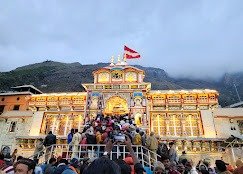
According to Hindu scriptures, Lord Vishnu meditated in Badrinath, shielded by Goddess Lakshmi in the form of a Badri tree — giving the name Badrinath. The present structure was restored in the 8th century by Adi Shankaracharya. Earthquakes and avalanches have damaged it many times, but devotees’ faith has always rebuilt it stronger. Today, Badrinath stands as a timeless symbol of devotion and purity.
Spiritual Significance & Legends
The temple is part of the Char Dham (Kedarnath, Badrinath, Gangotri, Yamunotri) and is one of the 108 Divya Desams dedicated to Lord Vishnu. Mythology says Nar and Narayan (avatars of Vishnu) meditated here for centuries. The Pandavas also visited Badrinath to atone for their sins. A darshan here is said to cleanse the soul and lead to moksha (liberation).
Architecture & Design
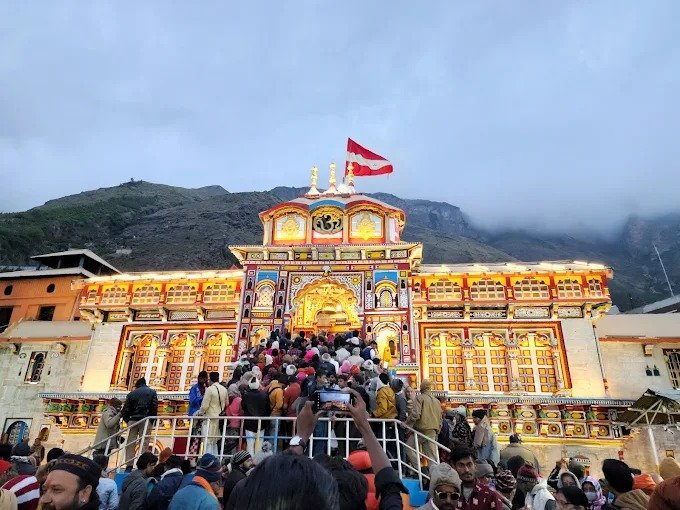
Located at an altitude of 3,133 meters, the temple showcases Garhwali wooden architecture with a vibrant façade, golden spire, and arched windows. Inside, the sanctum houses a black stone idol of Lord Badrinarayan sitting in Padmasana. The carvings depict ancient stories, and the temple shines with divine energy, especially during early morning Aarti.
Temple Timings & Aarti Schedule
| Season | Temple Hours | Aarti Timings |
|---|---|---|
| May to November | 4:30 AM – 9:00 PM | Abhishek Aarti – 4:30 AM Bhog Aarti – 12:00 PM Shayan Aarti – 8:30 PM |
The temple closes during winter (November–April) and reopens on Akshaya Tritiya. During this period, the idol is worshipped at Joshimath.
How to Reach Badrinath
- By Air: Nearest airport – Jolly Grant (Dehradun), 315 km away.
- By Train: Nearest station – Rishikesh (295 km).
- By Road: Badrinath is connected via NH-58 from Haridwar and Joshimath.
- By Helicopter: Services from Dehradun available during Yatra season.
Best Time to Visit
Plan your trip between May–June and September–October. The weather is calm, roads are open, and you’ll enjoy scenic Himalayan views. Avoid July–August due to monsoons. Visiting during Mata Murti Ka Mela is a divine experience filled with chanting and devotion.
Nearby Attractions
- Tapt Kund: Natural hot water spring used for holy baths before darshan.
- Mana Village: India’s last inhabited village, just 3 km away.
- Vyas Gufa: Cave where Sage Vyasa composed the Mahabharata.
- Charan Paduka: Sacred rock with Vishnu’s footprints.
- Neelkanth Peak: A snow-clad mountain offering breathtaking views.
Amazing Facts
- The idol is made of black Shaligram stone and is believed to be self-manifested.
- Lord Vishnu is worshipped here along with Goddess Lakshmi and other deities.
- Badrinath witnesses over 1 million pilgrims each year.
- During winter, rituals continue in Joshimath as Badrinath Ki Pooja.
- The temple’s golden roof was a royal donation symbolizing faith and devotion.
FAQs About Badrinath Temple
Related Posts

For more sacred destinations, visit Templepedia.in — your trusted guide to temples across India.