Naam Japa is one of the simplest yet most powerful spiritual practices followed in Indian spiritual traditions. The word Naam means the divine name, and Japa means repetition. Together, Naam Japa refers to the continuous repetition of a sacred divine name, either silently, softly, or aloud. This practice has been followed for centuries by saints, yogis, and devotees as a direct path to inner peace, devotion, and self-realization.
Unlike complex rituals or elaborate spiritual disciplines, Naam Japa requires no special place, posture, or time. Anyone, regardless of age, background, or belief system, can practice Naam Japa and experience its benefits.
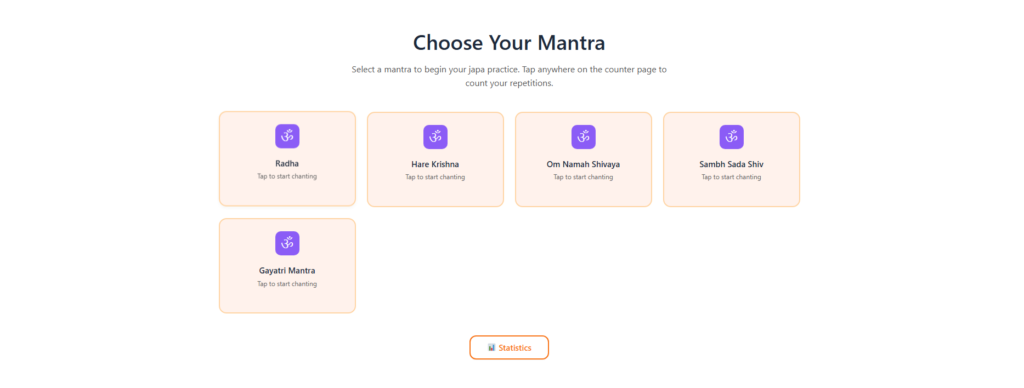
Table of Contents
Meaning of Japa
Naam Japa means remembering and repeating the name of God with awareness and devotion. It can be the name of any divine form, such as Radha, Krishna, Rama, Shiva, or any mantra that resonates with the devotee’s heart.
The power of Naam Japa lies not in loud chanting but in sincere repetition with faith. Even silent mental repetition is considered equally powerful. Saints often say that the divine name itself carries spiritual energy, and by repeating it, the mind gradually aligns with peace and purity.

How Many Times Should a Mantra Be Chanted Daily?
Why Japa Is So Powerful
The human mind is constantly filled with thoughts, worries, and distractions. Naam Japa gently replaces these thoughts with a single sacred vibration. Over time, this repetition creates mental discipline and inner stability.
Naam Japa works on three levels:
- Mental level – calms the mind and reduces unnecessary thoughts
- Emotional level – brings peace, devotion, and emotional balance
- Spiritual level – strengthens connection with the divine
Because it is simple and natural, Naam Japa is often recommended as the best practice for spiritual growth in the modern age.
Benefits of Japa
Regular Naam Japa brings many spiritual and psychological benefits. Some of the most commonly experienced benefits include:
1. Inner Peace and Calmness
Repeating the divine name has a soothing effect on the nervous system. It helps reduce stress, anxiety, and restlessness.
2. Improved Focus and Concentration
Naam Japa trains the mind to stay focused on one thought. This improves concentration not only during meditation but also in daily life.
3. Emotional Stability
Daily chanting helps stabilize emotions, reduces anger and fear, and promotes a positive mindset.
4. Spiritual Growth
Naam Japa slowly purifies the mind and heart, making spiritual understanding deeper and more natural.
5. Easy Daily Practice
Unlike other spiritual practices, Naam Japa can be done anytime- while walking, sitting, working, or resting.
Popular Forms of Japa
Different devotees follow different forms of Naam Japa based on their faith and devotion. Some common examples include:
- Radha Naam Jap
- Hare Krishna Maha Mantra
- Om Namah Shivaya
- Ram Naam Jap
- Gayatri Mantra
- Any personal or guru-given mantra
The effectiveness of Naam Japa does not depend on the mantra length but on regularity and sincerity.

Hanuman Chalisa meaning benefits and reading method
Importance of Counting in Naam Japa
Counting repetitions helps build discipline and consistency. Traditionally, devotees use a japa mala with 108 beads to count repetitions. Completing one full round of 108 chants is considered spiritually significant and is known as one mala.
However, in today’s lifestyle, carrying a physical mala is not always practical. This is where a Mantra Counter Online or Naam Japa Counter Online Free becomes useful. Digital counters allow devotees to maintain accuracy and consistency without distraction, especially during travel or busy schedules.
Using a counter removes the mental effort of remembering numbers, allowing full attention on the divine name.
How to Start Daily Japa Practice
Starting Naam Japa is very simple. Follow these steps to build a daily habit:
Step 1: Choose a Divine Name
Select a mantra or divine name that feels natural and comforting to you.
Step 2: Decide a Fixed Time
Morning and evening are considered ideal, but any quiet time works.
Step 3: Start Small
Begin with 10–15 minutes or one round of 108 repetitions. Increase gradually.
Step 4: Maintain Consistency
Daily practice is more important than long sessions done occasionally.
Step 5: Use a Counter if Needed
If counting distracts you, use a Mantra Counter Online or Mala Japa Counter Online to stay focused.
Japa in Modern Life
In today’s fast-paced world, Naam Japa is more relevant than ever. It provides a simple way to reconnect with inner peace amidst constant distractions. Whether you are commuting, resting, or taking a break from work, Naam Japa can be practiced silently at any moment.
Many devotees prefer digital tools for chanting because they are private, convenient, and distraction-free. A Naam Japa Counter Online helps integrate spiritual practice seamlessly into modern routines.

Rudraksha Mala Benefits & How to Use It for Japa – The Sacred Secret Every Shiva Devotee Should Know
Common Mistakes to Avoid
While Naam Japa is simple, some mistakes should be avoided:
- Chanting mechanically without awareness
- Irregular practice
- Forcing the mind instead of gently guiding it
- Comparing progress with others
Remember, Naam Japa is a personal journey, not a competition.
Conclusion
Naam Japa is a timeless spiritual practice that offers peace, clarity, and devotion through the simple repetition of the divine name. It does not require rituals, special knowledge, or physical effort- only sincerity and regularity.
Whether you are a beginner or an experienced seeker, daily Naam Japa can transform your inner world. With the help of simple tools like a Mantra Counter Online, maintaining consistency becomes easier, allowing you to focus on what truly matters- the sacred vibration of the divine name.
For daily chanting without distraction, you can use TemplePedia’s Mantra Counter Online to complete your Naam Japa easily.
Frequently Asked Questions (FAQs)
Q1. What is this chanting practice?
It is the repetition of a sacred divine name or mantra to calm the mind and develop inner awareness and devotion.
Q2. Do I need a physical mala to chant daily?
No. You can chant without a mala. Many people prefer using a digital counter to maintain accuracy and focus.
Q3. How long should a beginner chant each day?
Beginners can start with a few minutes daily and slowly increase their duration based on comfort and consistency.
Q4. Can this practice be done silently?
Yes. Chanting can be done silently, softly, or aloud depending on personal preference and situation.
Q5. Is there a fixed time to practice chanting?
Morning and evening are considered ideal, but chanting can be done at any peaceful time during the day.
Q6. Is this suitable for beginners?
Yes. This practice is simple, natural, and suitable for anyone regardless of age or spiritual background.