Have you ever sat quietly in a sacred space, closed your eyes, and felt an unexplainable wave of absolute peace sweep over your consciousness? In that single, breathtaking moment, as the external noise of life fades away, the heavy burdens of your daily timeline- corporate stress, financial anxieties, and that constant, nagging fear of the future- simply seem to evaporate. It is as if a quiet voice deep inside your heart whispers that you are meant for something much deeper than just chasing endless deadlines.
In our fast-paced modern world, we are constantly running. We accumulate material wealth, gather digital validations, and yet, many wake up feeling a profound emotional void. We find ourselves asking: Is this all there is to life? How do I find true, unshakeable stability? Ancient Indian rishis and modern spiritual masters did not look outside to resolve this existential hunger. They realized that true joy is an internal alignment. If you are standing at a critical crossroads, desperate to reclaim your mental resilience and live with absolute purpose, you might wonder: how to start spiritual journey for beginners without abandoning your regular job or family duties?
The beautiful truth is that spirituality is not about escaping reality or fleeing to Himalayan caves; it is a clinical, deeply life-affirming science of turning inward to anchor your soul in a fortress of peace. Let us embark on a comprehensive, step-by-step roadmap to unlock your sacred inner expansion.
Table of Contents
The Metaphysical Blueprint: Understanding Your True Nature
To successfully master how to start spiritual journey for beginners, we must first clarify what spirituality actually means. The word spirituality is often confused with rigid dogma, but in the timeless Vedic traditions of India, it is treated as Sanatana Dharma—the eternal, universal science of the self (Atma Jnana).
  [Material Identity] ➔ Shift from Ego-driven Survival (Chasing Validation)
                                      ↓
      [Energy Alignment] ➔ Purifying Subtle Nadis & Activating Chakras
                                      ↓
      [Cosmic Oneness] ➔ Awakening the Spacious Witness (Inner Peace)
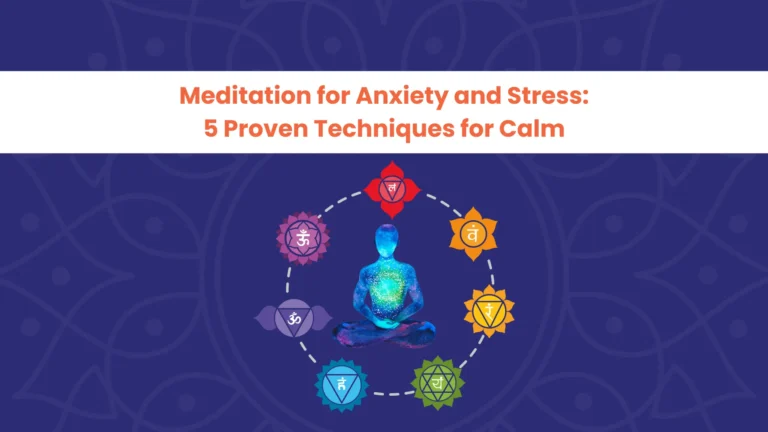
In everyday life, our awareness is completely hijacked by the external ego (Ahankara). We falsely believe we are just our temporary bodies, job titles, or bank balances. However, your energetic anatomy is far more complex. You possess a subtle body woven with seven primary energy vortexes, known as chakras, and thousands of energetic channels called nadis.
When your lifestyle is chaotic, these energy channels get deeply congested with past emotional baggage (Samskaras), manifesting as chronic anxiety, creative dry spells, and a persistent feeling of stagnation. Beginning your journey is simply the conscious act of clearing out these energetic pipes, allowing your life-force energy (Prana) to rise smoothly from your root chakra up to your crown chakra, restoring your natural state of joy.
The Neurobiology of Awakening: The Science Behind Inner Growth
While the spiritual background of inner growth is deeply moving, the physiological and neuroscientific impact of starting a regular spiritual practice is completely undeniable. Modern clinical research reveals that small, daily mindfulness shifts fundamentally remodel the physical grey matter of your brain.
Shrinking the Stress Alarm (The Amygdala)
The amygdala is the ancient, emotional region of your brain responsible for triggering your survival “fight-or-flight” response. In a highly stressed modern professional, the amygdala is structurally enlarged, treating a simple corporate email with the same panic as a physical threat. Steady daily introspection and quiet contemplation have been proven to decrease the grey matter density of the amygdala, effectively turning down your brain’s internal alarm system.
Vagus Nerve Activation and Coherence
When you introduce rhythmic breathing, deep meditation, or simple mantra chanting into your day, you actively stimulate the Vagus Nerve– the primary highway of your parasympathetic nervous system. Activating the vagus nerve drops your heart rate, normalizes erratic blood pressure, and signals the adrenal glands to drastically reduce the production of cortisol (the primary stress hormone), allowing your brain to lock into a state of neural coherence.
5 Foundational Steps to Kickstart Your Spiritual Odyssey
You do not need to memorize massive volumes of ancient text to begin. Follow these five practical, sequential steps to lay down an unshakeable foundation for your personal growth:
Step 1: Cultivate Radical Self-Observation (Svadhyaya)
Before you buy any crystals or change your diet, simply begin to watch your mind. Spend 10 minutes every evening witnessing your thoughts without judgment. Notice the old anger that explodes over minor traffic delays or the deep self-doubt that surfaces during high-stakes work projects. Recognizing that you are the spacious awareness observing the thoughts, and not the thoughts themselves, is the foundational gateway of awakening.
Step 2: Practice Rhythmic Breathwork (Pranayama)
Your breath is the physical remote control for your nervous system. When the mind is frantic, the breath is shallow. By consciously practicing simple techniques like Anapana (breath observation) or Nadi Shodhana (alternate nostril breathing) for 5 minutes every morning, you systematically oxygenate your cells, balance the left and right hemispheres of your brain, and anchor your drifting awareness into the present moment.
Step 3: Align Your Workspace and Living Environments
Your physical surroundings are a direct mirror of your internal psyche. A chaotic, cluttered living room or an office desk piled with outdated paperwork creates severe energetic friction. Clean out the dark corners of your home, discard broken items, and open your windows to let fresh morning light stream inside. A clean space naturally invites vibrant, positive prana into your domestic field.
Step 4: Integrate High-Vibrational Sound Syllables
If sitting in blank silence makes your everyday overthinking worse, anchor your wandering attention to a sacred sound column. Repeating basic, universal sound frequencies- such as the syllable Om, the soothing mantra Om Namah Shivaya, or the beautiful Gayatri Mantra– acts like a physical vibration that clears out trapped trauma and rewires your subconscious mind for steady peace.
Step 5: Commit to Regular Subconscious Offloading
End your day by letting go of the cumulative mental residue of the workday. Keep a dedicated private journal where you write down your lingering worries, creative insights, or small moments of daily gratitude. Offloading your heavy emotional loops onto paper before bed prevents the brain from entering toxic stress patterns at night, paving the way for deep, restorative sleep.
Meditation for Anxiety and Stress: Reclaim Your Inner Peace From the Chaos of Modern Life
Practical Tools: Building a Daily Sacred Routine at Home
To seamlessly integrate your spiritual evolution with a demanding modern schedule, build a simple, reliable routine that your brain can easily turning into a habit. Use this balanced layout as an ideal reference guide:
| Daily Time Slot | Focused Spiritual Activity | Primary Psychological Benefit |
| Morning Hours (05:30 AM – 06:00 AM) | Rhythmic breathing, brief mantra chanting with a Rudraksha mala. | Fills the biological system with sharp focus and mental stamina. |
| Mid-Day Break (02:00 PM – 02:05 PM) | 3 deep conscious belly breaths, short walk in natural sunlight. | Lowers mid-day cortisol spikes, breaks up stressful work loops. |
| Evening Twilight (06:30 PM – 06:45 PM) | Lighting a ghee lamp, silent gratitude journaling. | Releases accumulated workplace vibes, shifts brain to rest mode. |
| Nighttime (Before Bed) | Gentle body scanning (Yoga Nidra) or silent breath observation. | Aborts overthinking loops, guarantees peaceful cellular recovery. |
Mantra chanting is one of the simplest ways to connect with divine energy. To deepen your devotion and understand the spiritual significance of each sacred name, you can also explore the 108 Names of Goddess Durga (With Meaning).
Common Pitfalls That Slow Down Evolving Seekers
Many well-meaning beginners kickstart their journey with pure intentions but end up quitting within a few short weeks because they run into these subtle psychological traps:
The Instant Transformation Trap
Approaching inner growth with a hyper-competitive, corporate mindset—“I meditated silently for ten minutes today, so my life-long anxiety should be permanently gone by tomorrow morning”—creates an unnecessary second layer of stress. Spirituality is a slow, evolutionary unrolling of your lifestyle habits. Show deep compassion toward your mind on days when it feels unusually noisy or scattered.
Frequent Spiritual Hopping
Changing your core meditation style, switching your main mantra, or purchasing ten different types of healing crystals every three days based on trendy social media videos prevents the energy from ever settling into your subconscious mind. Pick one simple practice that resonates with your soul and stick to it continuously for at least 40 to 90 days.
The Spiritual Ego Shield
Using your new spiritual routine as a tool to feel morally superior to your friends, coworkers, or family members creates a severe energetic blockage. True spirituality never judges others; it softens the heart, dissolves the harsh boundaries of the ego, and manifests as absolute empathy, patience, and kindness in your daily speech.
Many practitioners also use sacred spiritual tools to enhance focus and positive energy. If you’re looking to attract prosperity while strengthening your spiritual practice, read our guide on the Best Rudraksha for Money and Success.
The Essential Checklist of Do’s and Don’ts for Beginners
To preserve your mental space and maximize the emotional benefits of your developing inner practices, observe these practical daily guidelines:
The Do’s:
- Do try to practice your morning meditation at the exact same clean spot every day to build a serene localized energetic resonance in your room.
- Do wash your face, hands, and eyes with cool water before sitting at your altar to instantly refresh your nervous system.
- Do practice simple mental chanting or silent gratitude observation when commuting or doing routine chores to protect your aura.
- Do ensure your spine is kept perfectly straight but relaxed while practicing, allowing your life-force energy to move smoothly up your back.
The Don’ts:
- Never check your smartphone notifications, work emails, or news feeds immediately after completing a quiet session; give your brain at least 15 minutes to absorb the calm.
- Never force your physical body into painful, complex cross-legged lotus postures if it causes knee or back strain; physical pain entirely blocks mental surrender.
- Never use your spiritual practices to wish harm or negative karmic outcomes upon anyone else; it will severely backfire on your own timeline.
- Avoid consuming heavy, highly processed, or overly oily meals immediately before meditating, as the digestion process will make your mind drowsy and sluggish.
Myth vs. Reality: Overcoming Cultural Misconceptions
Let us clear up a few common, fear-based myths so you can step into your daily practice with total confidence and absolute peace of mind:
Myth: You must completely quit your job, leave your family, and renounce all material comforts to start a true spiritual journey.
Reality: This is a major misconception. The core text of Indian spirituality- the Bhagavad Gita– was spoken on a chaotic battlefield to a family man, Prince Arjuna. True spirituality is about Karma Yoga– performing your professional actions with absolute excellence and total integrity, without letting the stressful outcomes disturb your internal center.
Myth: You must be a perfect saint, free from all bad habits and emotional flaws, before you are worthy enough to sit at a spiritual altar.
Reality: Not at all. Chanting, breathwork, and meditation are not rewards for being perfect; they are the practical medicines that naturally cleanse your inner desires. Over time, as your body’s cellular vibration naturally rises through steady practice, your cravings for toxic habits and addictive behaviors will simply fall away on their own.
Conclusion: Stepping Securely into a Harmonious New Life
When you look closely at how to start spiritual journey for beginners, you realize it is ultimately a magnificent invitation from the universe to stop living like a helpless hostage to your external circumstances. You are not your racing thoughts, your heavy worries, or your past failures; you are the vast, silent, spacious awareness that observes those temporary states.
As you wake up tomorrow morning, leave the heavy anxieties of the past and the scary assumptions of the future outside your door. Take a deep, conscious breath. Trust that you are profoundly supported by a higher cosmic intelligence. Step inside your inner sanctuary, pick up your practices with total love, and let the quiet power of spirituality heal your soul from within. Peace is not a luxury meant only for a chosen few; it is your divine birthright. Om Shanti, Shanti, Shanti.

Original Rudraksha Kaise Pehchane: महादेव के इस महाप्रसाद की असली पहचान कैसे करें?
Question and answer !
Q1. Can I use a smartphone or an app to guide my initial meditation sessions?
Yes, absolutely. For absolute beginners, using high-quality guided meditation tracks, nature sounds, or simple timers on a smartphone is a fantastic way to anchor an untrained mind. As your focus naturally deepens over a few weeks, try to slowly transition into silent practice.
Q2. What is the difference between a religious journey and a spiritual journey?
Religion typically focuses on external rituals, specific communal dogmas, and particular sets of historic rules. Spirituality is entirely experiential—it focuses on the internal tuning of your personal consciousness, emotional resilience, and direct union with the universal cosmic energy, transcending all cultural boundaries.
Q3. How many minutes should a beginner spend on daily meditation?
To guarantee long-term consistency, start small. Commit to just 5 to 10 minutes of disciplined daily practice for the first two weeks. Once your body adapts to sitting comfortably in quiet space, you can gradually extend the time by 5-minute increments until you find your personal sweet spot.
Q4. Is there any specific dress code or color required for home practice?
No, there is no rigid scriptural color rule for personal home practice. The primary requirement is to wear loose, clean, and exceptionally comfortable clothing made of natural fibers like cotton, which allows you to breathe deeply and remain completely free from physical distractions.
Q5. Can children or teenagers practice these basic mindfulness steps?
Yes, unequivocally. Teenagers and children can benefit immensely from simple breathing methods (like Bhramari Pranayama or humming bee breath) and short visualization practices. It builds high cognitive focus, expands memory capacity, and naturally relieves academic exam anxieties.
Q6. What should I do if my legs fall asleep or ache while sitting?
Physical comfort is essential for mental stillness. If sitting cross-legged on the floor causes knee or spinal strain, immediately move your practice to a straight-backed chair, keeping your feet resting completely flat on the ground. You can also place a firm cushion under your hips for better support.
Q7. How many days does it take to see noticeable changes in my mental stress?
Spiritual energy shifts gradually. While many beginners notice an immediate drop in acute panic and a wave of calm within 11 days, breaking old neural habits and establishing an unshakeable baseline of peace typically takes 40 days (one mandala) of steady daily devotion.